
The Role of Quick Response Medical Teams in Disaster Preparedness


Introduction to Quick Response Medical Teams
In the aftermath of a disaster, time is of the essence. Quick Response Medical Teams (QRMTs) play a pivotal role in providing immediate medical care and support to affected areas. These teams are specially trained to handle the chaotic and unpredictable nature of disasters, ensuring that aid reaches where it's needed most.
QRMTs are crucial in minimizing the impact of disasters on human lives. Their rapid deployment can mean the difference between life and death for many. Understanding their role in disaster preparedness is essential for enhancing community resilience.
The Structure of Quick Response Medical Teams
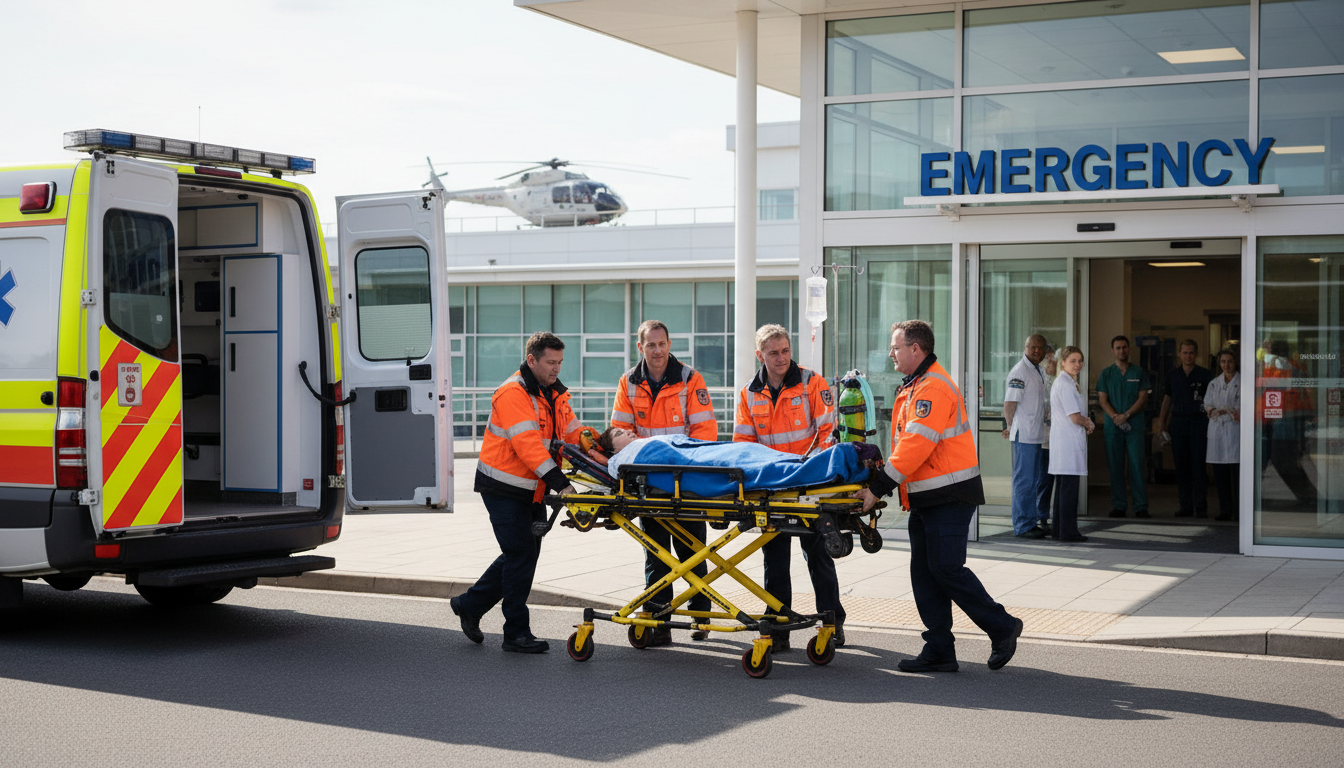
QRMTs are typically composed of a diverse group of medical professionals, including doctors, nurses, paramedics, and logisticians. This multidisciplinary approach ensures that a wide range of medical needs can be addressed swiftly. The teams are equipped with portable medical supplies and equipment to handle everything from minor injuries to critical care.
Each team is organized to operate independently, allowing for flexibility and adaptability in various disaster scenarios. This independence enables them to assess situations on the ground quickly and implement effective medical interventions.
Training and Preparedness
Members of QRMTs undergo rigorous training to prepare for the unique challenges they might face during a disaster. This training includes simulations of disaster scenarios, which help team members develop the skills needed to operate under pressure. They learn to work in harsh environments, navigate logistical challenges, and communicate effectively with other emergency services.
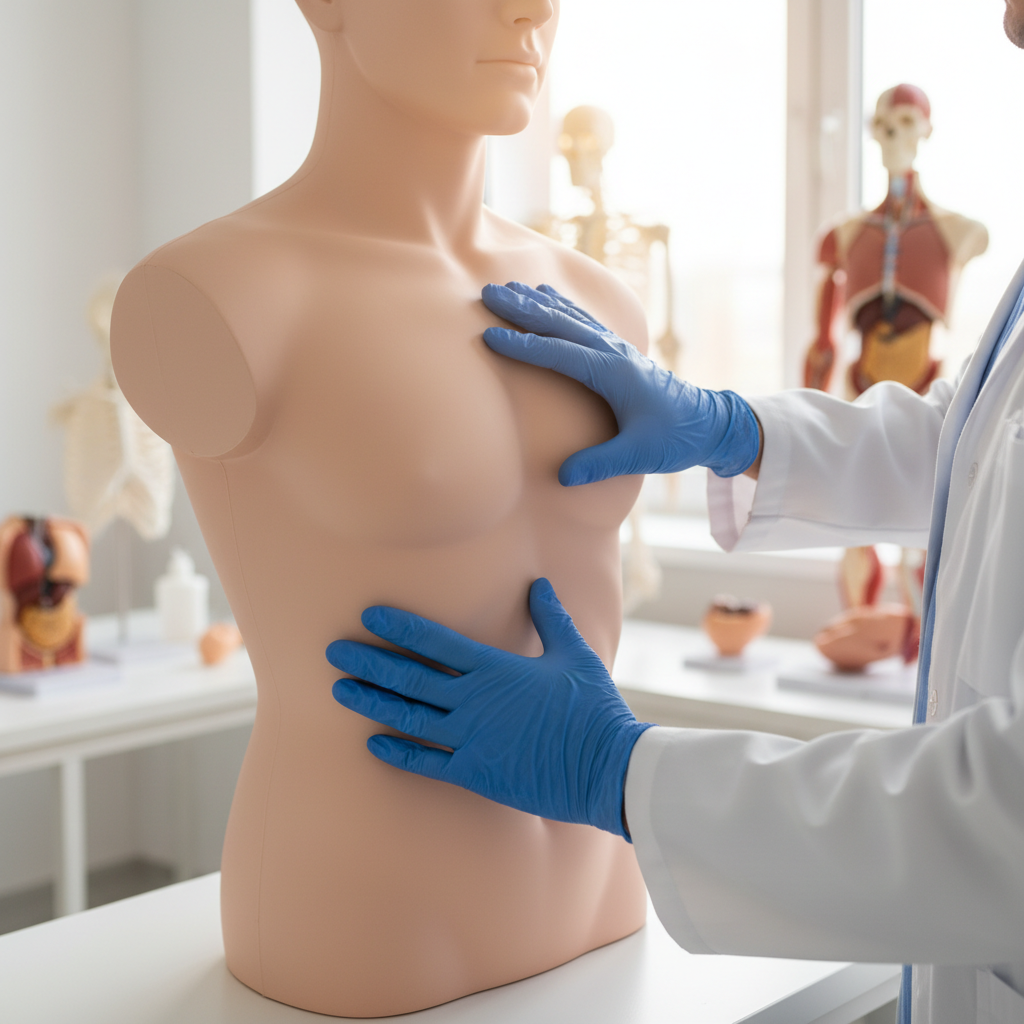
Continuous education is also a significant part of their preparation, ensuring that team members stay updated on the latest medical techniques and technologies. This readiness allows QRMTs to provide high-quality care even in the most challenging circumstances.
Deployment and Operations
QRMTs are deployed rapidly after a disaster strikes. They are often among the first responders on the scene, collaborating with local authorities and other emergency services to establish a coordinated response. Their quick arrival helps in assessing the immediate medical needs and prioritizing care for those most severely affected.
Once on the ground, these teams set up temporary medical facilities, often in makeshift conditions. This ability to adapt to the environment ensures that they can deliver effective medical care even in resource-limited settings.
Challenges Faced by Quick Response Medical Teams
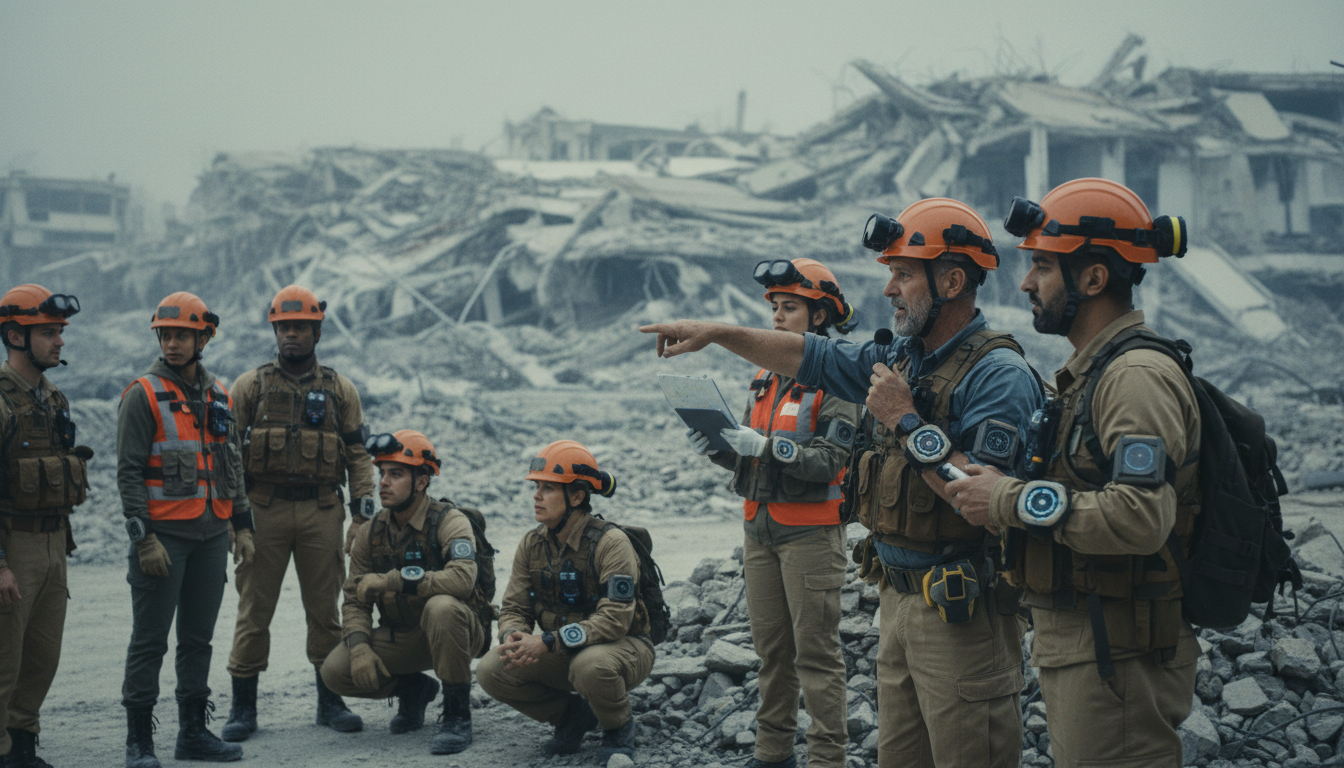
Despite their preparedness, QRMTs face numerous challenges during deployments. Limited access to affected areas, communication breakdowns, and resource shortages can hinder their operations. However, their training and experience equip them to overcome these obstacles and continue providing essential services.
Coordination with local agencies is vital to overcoming logistical challenges, and QRMTs often work closely with local health services to maximize their impact. This collaboration ensures that resources are used efficiently and effectively, providing the best possible outcomes for those affected by the disaster.
Importance in Community Resilience
The presence of QRMTs is a key factor in building community resilience. Their ability to provide immediate medical care reduces the long-term impact of disasters on health systems and communities. By saving lives and preventing further injuries, they help communities recover more quickly and efficiently.
Moreover, QRMTs often engage in community education and preparedness programs, helping local populations understand how to respond to disasters. This education empowers communities to take proactive steps in disaster preparedness, enhancing their overall resilience.
In conclusion, Quick Response Medical Teams are an indispensable component of disaster preparedness and response. Their rapid deployment, adaptability, and expertise play a critical role in saving lives and supporting recovery efforts in the wake of disasters.