
Standby Medical Services vs. On-Call Support: What’s the Difference?


Understanding Standby Medical Services
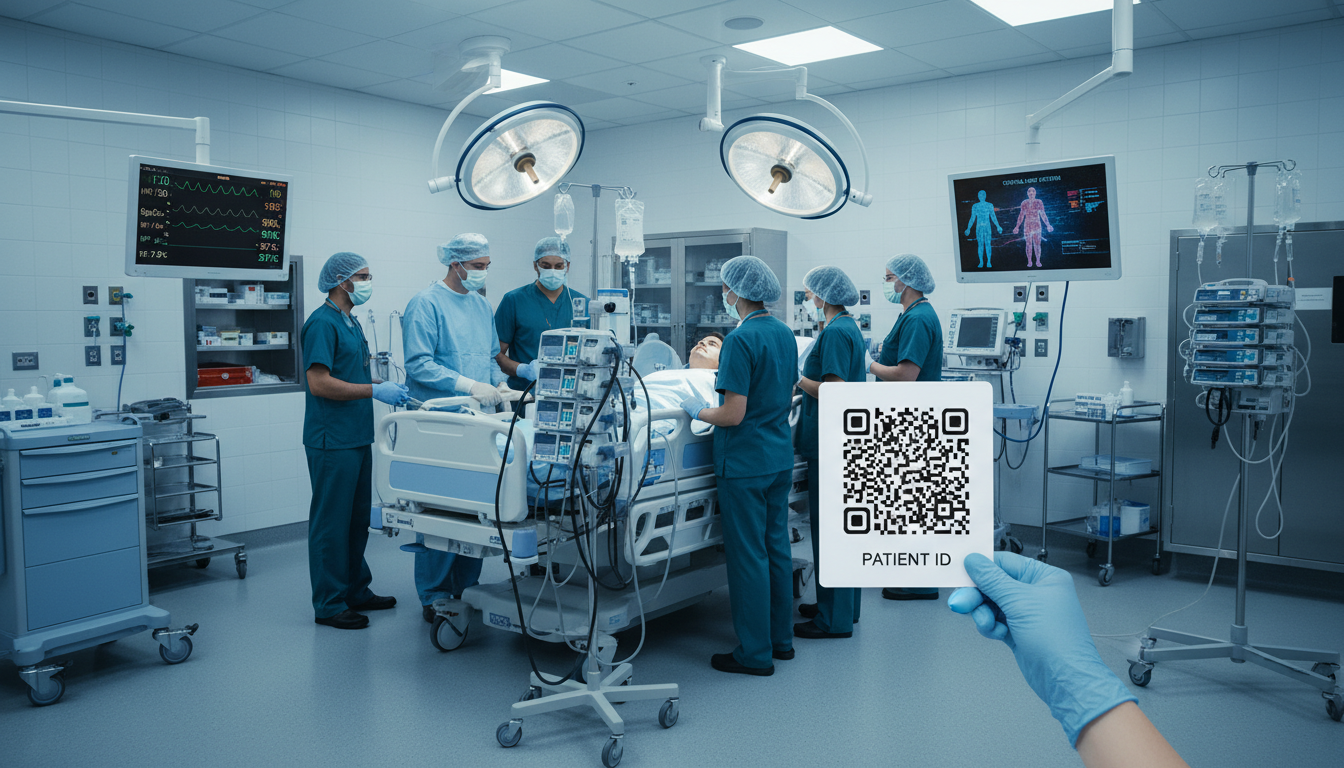
Standby medical services involve having a team of healthcare professionals ready to provide immediate medical attention during events or gatherings. These professionals are physically present at the location, equipped with the necessary medical supplies and equipment to respond to emergencies as they arise. This service is crucial for events with large crowds or potential safety risks, such as concerts, sports events, or festivals.
The main advantage of standby medical services is the immediate response they can provide. With medical staff on-site, any medical situation can be addressed within seconds, significantly improving outcomes in critical situations. This proactive approach ensures peace of mind for event organizers and attendees alike.
Who Benefits from Standby Services?
Standby medical services are ideal for event planners and organizations hosting large-scale or high-risk events. They offer a layer of safety and assurance, knowing medical emergencies will be handled swiftly. Additionally, having medical personnel on standby can be a compliance requirement for certain types of events, depending on local regulations.
Exploring On-Call Support
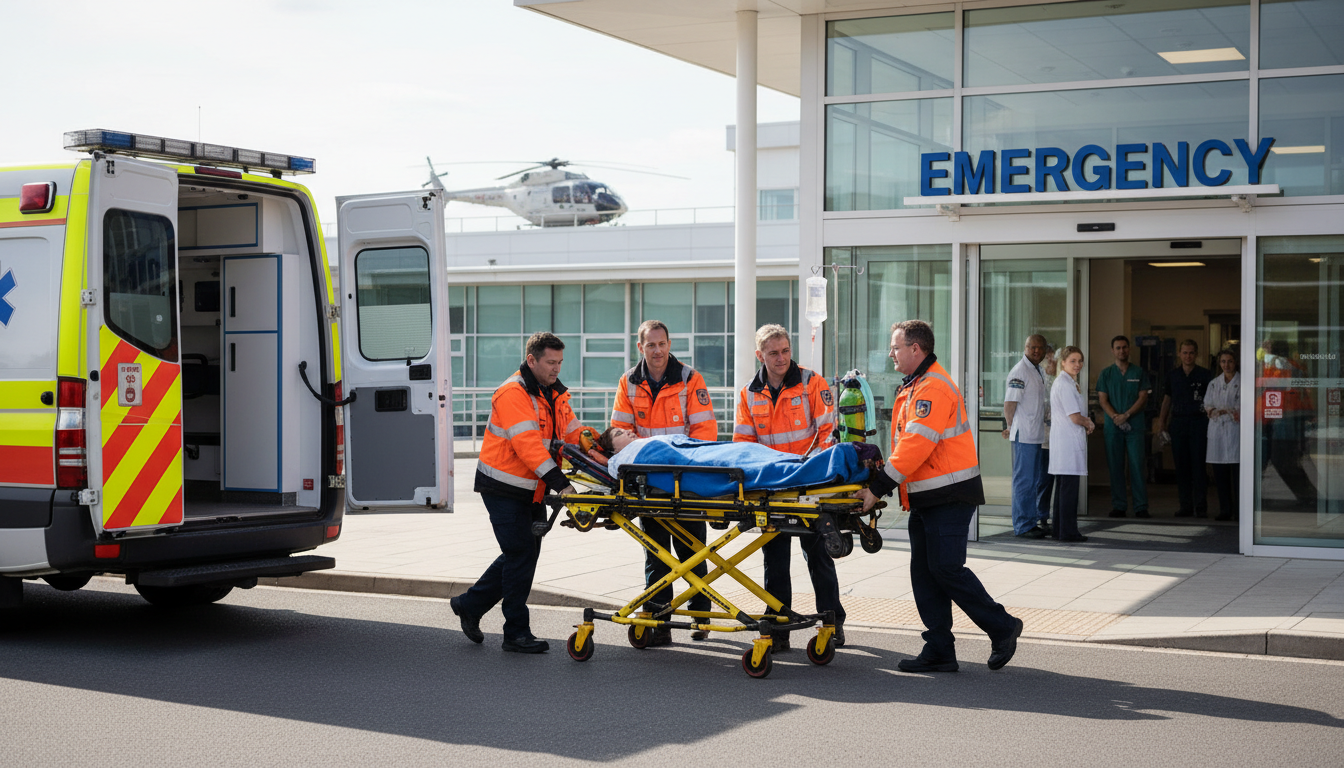
On-call medical support differs from standby services in that professionals are not physically present at the event site. Instead, they are available to be contacted and will respond to emergencies as needed. This service is typically used for smaller gatherings or situations where the likelihood of medical emergencies is lower.
While on-call support may not offer the immediacy of standby services, it is a cost-effective solution for many organizations. Medical professionals can be dispatched quickly, but the time to reach the location may vary based on distance and availability.

When to Choose On-Call Support?
On-call support is suitable for smaller events or businesses where medical incidents are less frequent. It provides an economical way to ensure medical coverage without the need for a constant physical presence. Businesses can save resources while still offering a reliable safety net for attendees or employees.
Key Differences Between Standby and On-Call
Understanding the differences between standby medical services and on-call support is essential for choosing the right option for your needs. Here are the main distinctions:
- Presence: Standby services involve physical presence, while on-call support relies on remote availability.
- Response Time: Standby offers immediate response; on-call depends on travel time.
- Cost: Standby services are generally more expensive due to the on-site requirement, whereas on-call is budget-friendly and flexible.
Making the Right Choice
Choosing between standby medical services and on-call support depends on several factors, including event size, budget, and the potential risk of medical incidents. For high-stakes events, investing in standby services ensures the highest level of preparedness. Conversely, on-call support can be an efficient choice for smaller, less risky gatherings.
Ultimately, both options provide essential safety measures, and selecting the appropriate service ensures that your event or organization is well-prepared for any medical emergencies that may arise.